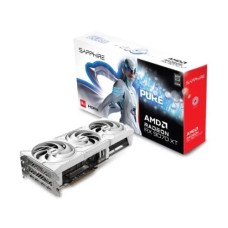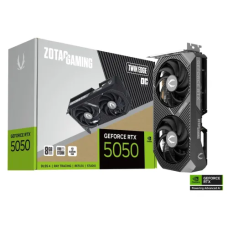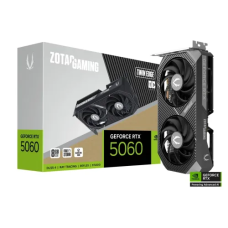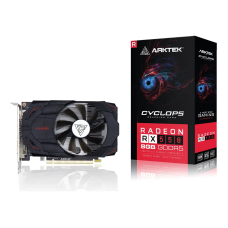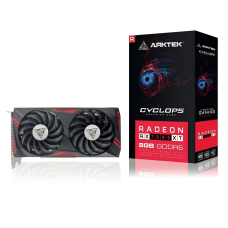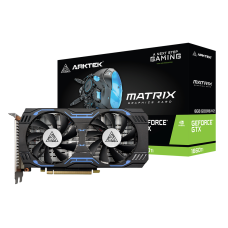
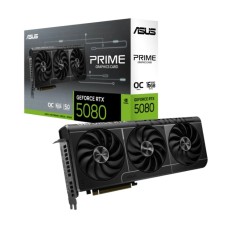
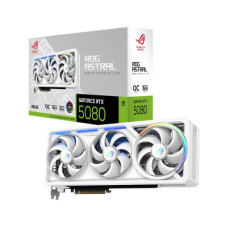
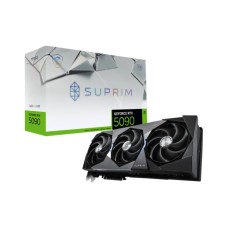
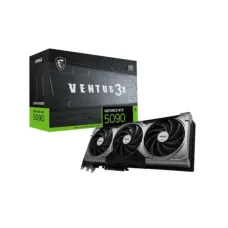
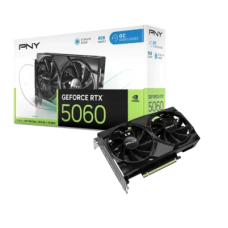
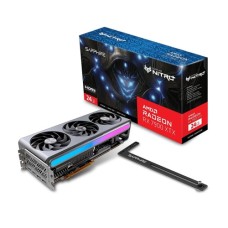
A graphics card (GPU) is a crucial component for any computer, responsible for rendering visuals, boosting frame rates, and enhancing overall display quality. Whether for desktops, laptops, or tablets, a reliable GPU is essential for gaming, video editing, 3D modeling, and high-resolution tasks. In Bangladesh, Nvidia and AMD dominate the GPU market, offering a wide selection of models to suit different performance levels and budgets. Intel Arc GPUs have recently entered the market, gaining attention for their competitive performance and affordability. Entry-level GPUs, such as the Nvidia GT 1030 or AMD RX 550, cost around ৳8,000–৳12,000, ideal for light gaming, office work, and general multimedia use. Mid-range GPUs, including the GTX 1650, RTX 3050, or RX 6600, are priced between ৳20,000–৳40,000, providing smooth gameplay for modern games and solid performance for content creation. High-end GPUs like the RTX 4070, RX 7900 XT, or RTX 4090 cater to enthusiasts and professionals, with prices ranging from ৳70,000 to over ৳2,00,000. Top brands in Bangladesh include ASUS, Gigabyte, MSI, Zotac, Palit, and Intel Arc, available through trusted retailers. Use our PC Builder Tool to select the perfect graphics card for your setup, ensuring optimal performance and future-proofing your system.
Bangladesh's graphics card market features a diverse range of brands catering to gamers, creators, and professionals. Leading names like NVIDIA, AMD, ASUS, MSI, Gigabyte, and Intel dominate with high-performance GPUs. Enthusiast-focused brands such as ZOTAC, Sapphire, EVGA, Palit, and PNY offer advanced features and excellent reliability. For budget-conscious buyers, Maxsun, PELADN, UNIKA, Gunnir, Arktek, AFOX, and Colorful provide value-packed options. Brands like ASRock, Biostar, XFX, Yeston, Galax, OCPC, SPARKLE, Leadtek, and ONIX are also growing in popularity. All these brands are available in Bangladesh with official warranty and support from trusted retailers.
Graphics cards, also known as GPUs (Graphics Processing Units), play a vital role in visual processing, gaming, design, and productivity tasks. Depending on your needs, budget, and device compatibility, different types of graphics cards offer unique benefits. Below is a detailed SEO-friendly guide that explains the six most common types of graphics cards available in the market.
Integrated graphics cards are built directly into the processor or motherboard. Common examples include Intel UHD Graphics and AMD Radeon Vega. These GPUs utilize the system’s RAM instead of having dedicated video memory, which means they are more affordable and consume less power. Integrated graphics are best suited for users who perform basic computing tasks such as browsing the web, video streaming, word processing, and light photo editing. While they cannot handle high-end gaming or complex 3D rendering, integrated GPUs are perfect for students, casual users, and office environments where graphical demand is low.
Dedicated graphics cards are separate hardware components installed on the motherboard through PCIe slots. They come with their own VRAM (Video RAM), allowing them to process complex graphics without burdening the system memory. NVIDIA GeForce and AMD Radeon are among the leading brands offering a wide range of dedicated GPUs. These cards are ideal for users who play modern games, edit videos, render 3D models, or multitask on a high level. Unlike integrated GPUs, dedicated cards offer superior performance, better thermal management, and support for advanced graphical technologies like DirectX 12 and Vulkan.
Workstation graphics cards are engineered for professional use cases such as 3D animation, CAD (Computer-Aided Design), AI modeling, medical imaging, and scientific computing. Brands like NVIDIA Quadro (now RTX A-Series) and AMD Radeon Pro lead this category. These GPUs are optimized to support industry-standard software like AutoCAD, SolidWorks, Adobe Premiere Pro, and Blender. Workstation cards focus on stability, precision, ECC memory support, and certified drivers to ensure compatibility with professional applications. Though they are more expensive, the performance and reliability they offer for professional workflows are unmatched.
Low-profile graphics cards are compact versions of standard GPUs, specifically designed for slim or small form factor (SFF) PCs. While they don’t deliver the same high-end performance as full-sized dedicated cards, they are more powerful than integrated graphics. These GPUs are ideal for users who want to upgrade their compact desktops for casual gaming, media playback, or basic content creation. Due to their space-saving design and lower power consumption, low-profile cards are commonly used in home theater PCs (HTPCs) and office desktops that require moderate graphical performance in a compact chassis.
External GPUs, or eGPUs, are enclosures that house a desktop-class graphics card and connect to laptops or mini PCs via Thunderbolt 3, Thunderbolt 4, or USB-C. They provide desktop-level graphics performance to portable devices, enabling ultrabooks and lightweight laptops to run demanding applications and games. eGPUs are perfect for creative professionals, video editors, and gamers who need the mobility of a laptop but also want the option to enhance their graphics capabilities. With plug-and-play support, upgradeability, and improved thermal solutions, eGPUs offer flexibility without sacrificing performance.
Nvidia is the most well-known manufacturer of graphics cards. It is widely believed that Nvidia graphics cards are the finest option for serious gamers, content makers, and scientists. Higher clock rates make Nvidia graphics cards more popular since the company is renowned for creating graphics processors with the most sophisticated and cutting-edge technologies. Nvidia's cards are also highly regarded for creative work because of their greater data transfer rates. Nvidia graphics cards provide more frames thanks to innovations like DLSS, which eliminates screen tearing completely.
The most well-known manufacturer of CPUs for PCs and laptops, Intel, only began producing graphics cards in 2022. Slightly more expensive than AMD graphics cards, Intel graphics cards concentrate more on high-end tech applications such as AI, AR, deep learning, and machine learning. With the help of Intel's recently released Deep Link technology, Intel Arc graphics cards can operate in tandem with Intel CPU cores.
An AMD graphics card's primary selling point is its reasonable cost. More VRAM is available on AMD graphics cards to support real-time visual data for a more immersive gaming experience. When it comes to gaming graphics cards, the AMD GPU is a better option because it offers gamers more graphical power at a lower price. Owners of AMD RADEON graphics cards also profit from its low power and thermal requirements. In general, if you want the finest performance and are on a budget, purchasing an AMD Radeon GPU can be your best option. Because of their RDNA3 unified memory architecture, top-tier RADEON cards like the RX 7900 XTX frequently outperform cards from the leaderboard.
Manufacturers introduce specifically designed game graphics cards after realizing the enormous market potential of graphics cards for gaming PCs. Special characteristics, like an improved cooling solution and the ability to integrate multiple screens, are applied to a gaming GPU. These game graphics cards match a gaming system because they are made of high-quality materials and have RGB aesthetics. Gaming GPUs, which are reasonably priced for gamers, are sometimes marked with Super, OC, or TI & XT.
A graphics card (GPU) is a vital component of any computer system, especially for gaming, content creation, and professional graphics work. Understanding the key features of a graphics card can help users make the right purchasing decision based on performance, compatibility, and budget. Here are the main features to look for in a graphics card:
| Graphics Card Model | Memory | Special Features | Price in BD (Approx.) |
|---|---|---|---|
| Gigabyte GeForce RTX 5080 WINDFORCE OC SFF | 16GB GDDR6 | WINDFORCE cooling, Small Form Factor design | ৳ 233,000 |
| ASUS TUF Gaming GeForce RTX 4070 OC Edition | 12GB GDDR6X | TUF durability, Overclocked, Advanced cooling | ৳ 142,100 |
| MSI GeForce RTX 5070 GAMING TRIO OC | 12GB GDDR6 | GAMING TRIO design, Triple-fan cooling, Overclocked | ৳ 109,000 |
| PNY GeForce RTX 4070 SUPER VERTO OC | 12GB GDDR6 | Dual Fan, DLSS 3 support, Overclocked | ৳ 90,000 |
| Acer Predator BiFrost Intel Arc A750 OC | 8GB GDDR6 | Predator BiFrost cooling, Intel Arc GPU | ৳ 28,999 |
Check your screen resolution when selecting video devices and graphics cards to choose models that match those requirements. Games require graphics cards that can handle higher refresh rates and overclock, graphics cards price in bd, which help prevent latency. The cards have memory ranging from as little as 64MB to 16GB. A desktop graphics card with 2GB to 4GB of memory meets the needs of most creative professionals. Gamers require 6GB to 8GB of memory for less lag and latency during play. Laptops used for browsing the internet and using productivity applications only need up to 1GB. Consider dedicated graphics cards that improve serious gaming and running high-end video software performance.
Creative professionals can use workstation graphics cards designed to handle the demands of power-intensive applications. The memory on these graphics cards will usually start at around 4GB and have professional pixel resolution to produce high-quality images. Entry-level cards support primary computer use, like surfing, checking emails, and creating spreadsheets. Connect multiple desktop graphics cards by selecting options with either SLI or CrossFire support, graphics cards price in bd, depending on whether you have Nvidia or AMD hardware. When choosing Graphics Cards, verify the available space inside your case, as the additional fans and cooling systems require more room. Dedicated Graphics Cards often feature improved driver compatibility and support, which benefits users from switching to different operating systems or running specific software. Consider 4K gaming cards for playing the latest multiplayer titles, or enjoy crisp videos when watching Netflix and other streaming media.
Looking to boost your PC’s performance? PC House brings you the best graphics cards in Bangladesh at unbeatable prices. Whether you're a gamer, video editor, 3D designer, or streamer, we have the perfect GPU to meet your needs. Choose from top brands like NVIDIA, AMD, ASUS, MSI, Gigabyte, Zotac, and more. Our collection includes a wide range of models from entry-level GT 710 and GT 1030 to powerful RTX 3060, RTX 4060, and RTX 4090 cards, supporting everything from casual gaming to high-end AAA titles. Each graphics card at PC House is 100% genuine, comes with an official warranty, and is backed by reliable after-sales service. You’ll also find the latest GPUs compatible with modern systems, offering high frame rates, ray tracing, and AI-enhanced visuals.
Visit PC House today to explore our wide selection of Desktop, laptop, monitor, components with graphics cards. Buy now and take your PC gaming or creative projects to the next level with powerful GPU performance!
A graphics card (GPU) renders images, videos, and animations, making it vital for gaming, 3D rendering, video editing, and demanding software that requires smooth performance and visual quality.
For gaming, high-performance GPUs like NVIDIA GeForce RTX 3060, RTX 4060, RTX 4070, and AMD Radeon RX 6700 XT deliver excellent frame rates, ray tracing, and immersive gameplay experiences.
Check your motherboard’s PCIe slot, your power supply’s wattage and connectors, plus the available space inside your PC case to ensure the graphics card fits and works properly.
Integrated graphics are built into the CPU and share system memory, providing limited performance, while dedicated graphics cards include their own VRAM, ensuring significantly higher speed and advanced graphics capabilities.
For casual computing, 2GB–4GB VRAM works fine. Gamers and creators benefit from 6GB–12GB, while demanding tasks like 4K gaming or professional rendering may require 16GB VRAM or higher.