


-min-228x228.png)
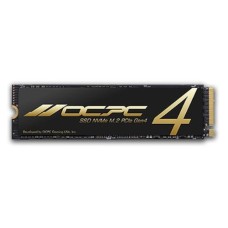


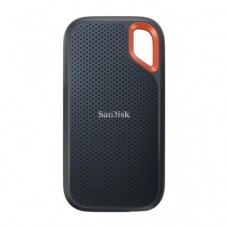
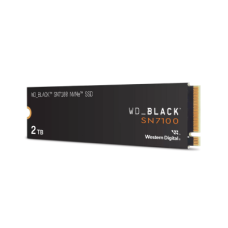
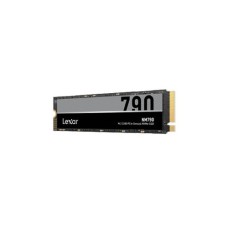
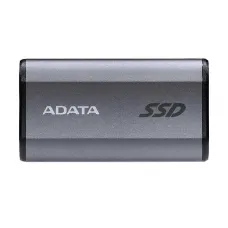

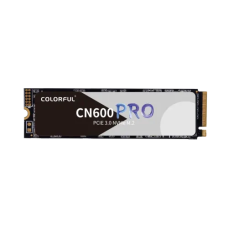
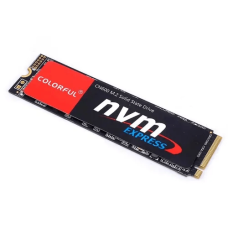
Discover the ultimate storage upgrade today and experience a smoother, faster, and more reliable PC. Check out our wide selection of SSD at PC House and find the best ssd price in Bangladesh tailored to your requirements. Upgrade now and enjoy the speed your system deserves! The SSD Price starts from BDT 3,200৳ and goes up to BDT 64,000৳. Upgrade your computer’s performance with high-performance SSD that deliver speed, reliability, and efficiency. At PC House, we bring you a wide range of SSD designed to meet every computing need – whether you are a gamer, content creator, or professional looking for faster storage. With ssd price in Bangladesh becoming more affordable, now is the perfect time to boost your system’s performance without breaking the bank.
Our collection includes the latest SATA, NVMe, and M.2 SSD ensuring compatibility with a variety of desktops and laptops. Each SSD is carefully selected for speed, durability, and reliability, allowing your PC to boot faster, load applications instantly, and handle heavy workloads smoothly. With ssd price in Bangladesh varying by capacity and brand, we make it easy to find the right option for your budget and needs. Choosing the right SSD can transform your computing experience. From enhancing gaming performance to speeding up professional software, the benefits are noticeable immediately. At PC House, you can explore top brands like Samsung, Kingston, Crucial, and WD, all offering trusted performance and longevity. Installing an SSD is also simpler than you might think. Our user-friendly guides and support ensure that even beginners can upgrade their systems confidently.
In today’s fast-paced digital world, a reliable SSD is essential for every modern PC. Unlike traditional hard drives, SSD provide lightning-fast speeds, durability, and efficient performance, making them perfect for gaming, work, and everyday computing. With the growing demand for storage solutions, understanding the benefits of SSD is crucial.
Key Benefits of SSD:
The best SSD price in Bangladesh? At PC House, we offer a wide range of high‑quality SSD from trusted brands that deliver excellent performance for gaming, professional use, or everyday computing. The table below highlights some of the most popular internal SSD models, their key features, and the latest price estimates to help you compare and choose the right storage solution for your PC. These SSD are known for fast data transfer speeds, reliability, and compatibility with modern desktops and laptops.
SSD Model |
Key Features |
Latest Price |
PCIe 3.0 interface, 1800 MB/s read, 1500 MB/s write – ideal for everyday use |
৳9,500 |
|
PCIe Gen4x4, up to ~7200 MB/s read & ~4400 MB/s write – high‑speed performance |
৳17,200 |
|
PCIe 4.0 x4, blazing fast speeds up to ~7250 MB/s read & ~6300 MB/s write |
৳25,000 |
|
PCIe Gen5x4 NVMe, up to 14,000 MB/s read – great for high‑end gaming |
৳27,500 |
|
SATA III interface, reliable storage with good capacity |
৳13,900 |
|
Trusted SATA SSD with excellent durability and performance |
৳6,500 |
Each of these SSD offers a balance of speed, capacity, and value, making them perfect for upgrading your system. Whether you need a faster boot drive, smoother application loading, or ample storage for games and media, PC House has SSDs that fit different needs and budgets with competitive ssd price in Bangladesh.
When exploring ssd price in Bangladesh, it’s important to know that not all SSD are the same. Different types of SSD offer varying speeds, form factors, and compatibility, making it essential to choose the right one for your PC or laptop. Here’s a breakdown of the most common SSD types available in Bangladesh:
SATA SSD
SATA SSD are the most widely used type, offering a great balance of performance and affordability. They connect through the traditional SATA interface and are compatible with most desktops and laptops. Ideal for users looking for a reliable upgrade without spending too much, SATA SSD provide faster boot times and application loading compared to HDDs.
NVMe SSD
NVMe (Non-Volatile Memory Express) SSD deliver much faster data transfer speeds compared to SATA SSD. They connect directly to the motherboard via M.2 or PCIe slots, reducing latency and improving overall system performance. NVMe SSD are perfect for gamers, designers, and professionals who need ultra-fast storage solutions.
M.2 SSD
M.2 SSD are compact and versatile, available in both SATA and NVMe versions. Their small size makes them ideal for laptops and compact PCs, without sacrificing speed or reliability. M.2 drives are becoming increasingly popular in Bangladesh due to their efficiency and space-saving design.
PCIe Gen4 & Gen5 SSD – These are high-end NVMe drives designed for maximum performance. PCIe Gen4 and Gen5 SSD deliver blazing-fast read/write speeds, ideal for gaming, video editing, and other heavy workloads. While slightly more expensive, they offer future-proof performance for advanced users.
Selecting the right SSD type is crucial to match your performance needs and budget. Whether you are looking for a Portable SSD for easy data transfer or an internal drive compatible with your Motherboard, PC House has you covered. You can explore a wide range of SSD across all types with competitive ssd price in Bangladesh, ensuring you get the perfect storage solution for your system.
SSD can dramatically improve your computer’s speed, performance, and overall efficiency. Along with upgrading your Desktop RAM, installing a high-quality SSD ensures your system runs faster and handles multitasking effortlessly. With many options available in the market, it’s essential to consider key factors to make the best purchase. Understanding ssd price in Bangladesh alongside performance and compatibility ensures you get the most value for your money.
Here’s a simple guide to help you pick the best SSD for your system:
Upgrading to the right SSD can transform your computing experience, providing faster boot times, smoother application loading, and improved system reliability. Always choose wisely based on capacity, compatibility, speed, and price to get the best value.
Upgrade your computer’s performance with the fastest SSD available at PC House in Bangladesh. Whether you’re building a high-end gaming rig or improving your everyday workstation, a quality SSD can drastically reduce boot times, speed up application loading, and enhance overall system efficiency. With competitive SSD price in Bangladesh, PC House makes it easy to find a reliable storage solution that fits your needs and budget. Pairing your SSD with a Gigabyte (Intel) Motherboard ensures maximum compatibility and stability, allowing your system to utilize the full speed potential of your drive. Additionally, when combined with a powerful gaming Processor, your setup can handle demanding applications and modern games effortlessly, providing a smoother, lag-free experience.
At PC House, you can choose from a wide range of SSDs, including SATA, NVMe, and M.2 drives, all tested for speed, reliability, and durability. Each SSD is selected to offer excellent value while delivering premium performance, making PC House the top choice for tech enthusiasts in Bangladesh.
What is the price range of SSD in Bangladesh?
The ssd price in Bangladesh depends on factors like capacity, type, and brand. Entry-level SATA SSDs start at ৳3,200, while high-performance NVMe drives can go up to around ৳64,000.
Where can buy a reliable SSD in Bangladesh?
You can purchase SSD from trusted retailers like PC House, which offers genuine products, warranties, and a wide selection of SATA, NVMe, and M.2 drives.
Are SSD available for both desktops and laptops?
Yes! SSD are available for all types of systems. You can choose internal drives for desktops or Portable SSD for laptops and easy data transfer.